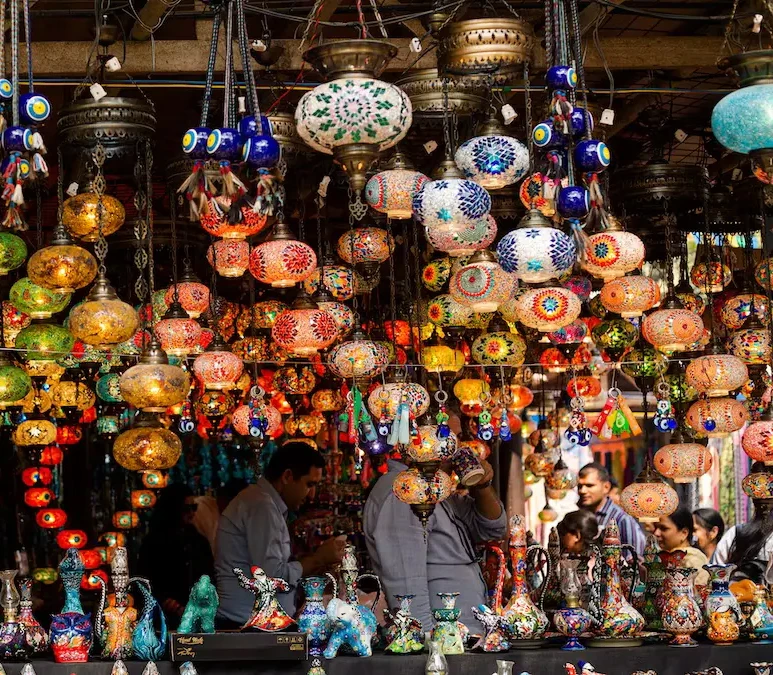
Istanbul's Grand Bazaar (Kapalıçarşı) is one of the largest and oldest covered markets in the world: construction began in 1461 on the orders of Sultan Mehmed II, and today it brings together around 3,600 shops and 14 hans along 65 streets. To shop well there, keep three things in mind: haggling is part of the custom, negotiation works best when it is calm and friendly, and the bazaar is closed on Sundays, so plan your visit for Monday to Saturday. On our classic Istanbul tour the Grand Bazaar is the last stop of the day.
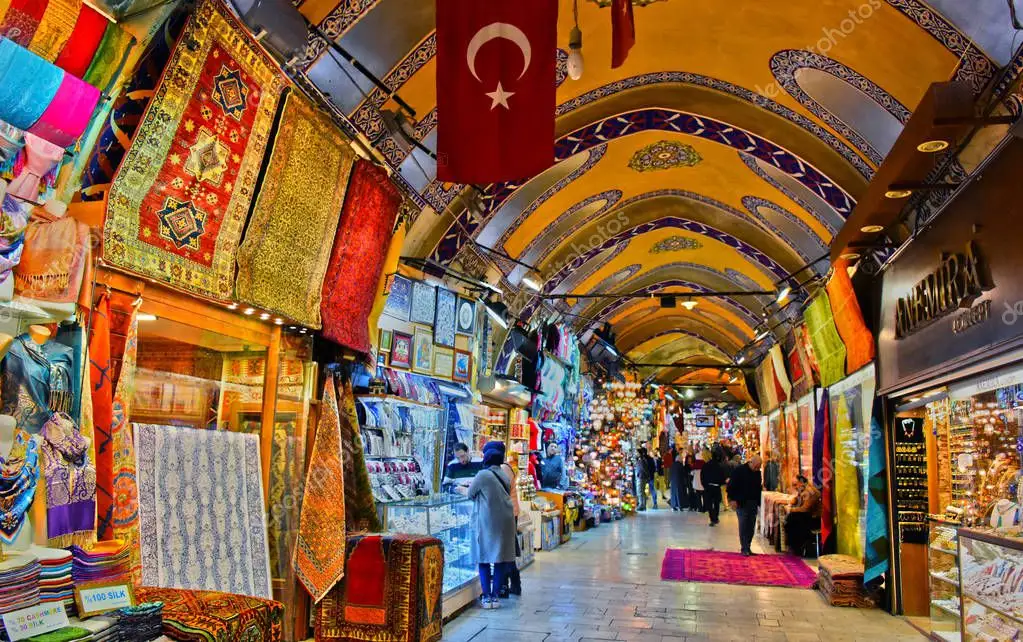
One of the largest markets in the world and one of the oldest in the region (it was founded in 1461). It receives half a million visits a day and is one of the must-sees on a trip to Istanbul, the most important city in Turkey. Keep the following tips in mind when going shopping at the Grand Bazaar, where “haggling” is customary. Do not hesitate to try it.
History of the Grand Bazaar in Istanbul
According to the Grand Bazaar's official website, 1461 is accepted as its founding year because that is when Mehmed II began building it. The sultan had the Cevahir and Sandal bedestens built so that their income would support Hagia Sophia, and around those two covered halls the market kept growing for some 250 years until it became the network of roofed streets you walk through today.
That is why the Grand Bazaar is not a single building but a covered shopping district of 110,868 m², where shops sit alongside hans, the old courtyard buildings that served the merchants. For visitors this has a practical consequence: it is easy to lose your bearings. Agree on a meeting point with your group, note the gate you came in through and allow plenty of time, and you will enjoy the visit far more.
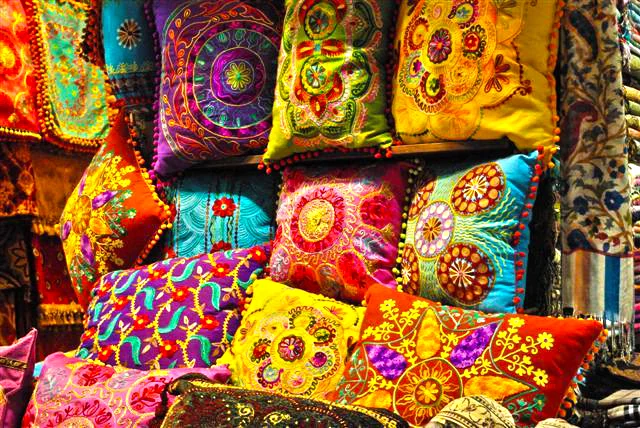
How to haggle at the Grand Bazaar: 5 tips
Haggling is the norm at the Grand Bazaar. These are the five tips we give our travellers, and what each one means in practice.
Do not show excessive interest
If you love an item, look at it calmly and compare it with others. Showing enthusiasm from the very first moment leaves you less room to negotiate. Ask the price of several pieces before focusing on the one you really want.
Negotiation can take time
Haggling in the bazaar is a conversation, not a formality. Take your time and do not feel you have to buy on your first visit to a shop: you can keep browsing, compare and come back later. A major purchase, such as a carpet, may take several rounds.
Make an offer
Once you know how much you are willing to pay, make your own offer instead of waiting for a discount. Go up gradually and give reasons, for example if you are buying more than one piece. If the final price does not convince you, saying thank you and walking on is also part of the game.
Be friendly
Courtesy opens doors. Greeting the seller, smiling and keeping a warm tone throughout the negotiation make it easier to reach a deal that leaves both sides happy.
Buy in quantity
If you plan to take home several souvenirs, buy them in the same shop and negotiate a price for the lot. Buying several pieces together is one of the simplest arguments for asking a better price.
What to buy at the Grand Bazaar
Its streets are full of unique souvenirs, traditional crafts, jewellery, carpets and an endless variety of products that reflect Turkish culture. A few ideas to plan your shopping:
- Carpets and kilims: the purchase that takes the most time. Look without rushing and ask about the origin and material of each piece before you negotiate.
- Jewellery: compare pieces and prices in several shops before deciding.
- Ceramics and crafts: easy souvenirs to pack in your suitcase; ask for them to be wrapped well for the journey.
- Spices and Turkish sweets: if they interest you, the Spice Bazaar (Mısır Çarşısı) is devoted to them and is one of the stops on our Bosphorus cruise with the Spice Bazaar.
When to visit the Grand Bazaar and how to plan it
The Grand Bazaar is closed on Sundays and on the first days of religious holidays such as Ramazan Bayramı and Kurban Bayramı. If your stay in Istanbul is short, book your visit for a day between Monday and Saturday and check the opening hours before you go, as they can change.
The easiest option is to combine the bazaar with the great monuments of the historic peninsula. On the 6 to 7 hour private Istanbul tour you visit Hagia Sophia, the Blue Mosque, the Hippodrome of Constantinople, Topkapi Palace and the Basilica Cistern, and end the day at the Grand Bazaar, with a Spanish-speaking guide and a private group of 1 to 20 people. If you prefer a slower pace, the 3-day complete Istanbul tour also includes the Grand Bazaar, as well as the Bosphorus cruise and the Spice Bazaar.
Sources: history and figures of the bazaar, official Grand Bazaar (Kapalıçarşı) website; closing days, BirGün newspaper.
Frequently asked questions
When was the Grand Bazaar in Istanbul founded?
Construction began in 1461 on the orders of Sultan Mehmed II, and that year is considered its founding date.
Is the Grand Bazaar open on Sundays?
No. The Grand Bazaar is closed on Sundays and on the first days of religious holidays, so it is best to plan your visit from Monday to Saturday.
Can you haggle at the Grand Bazaar?
Yes, haggling is part of the bazaar's custom. Show interest with restraint, make your own offer, be friendly and, if you buy several pieces, negotiate a price for the lot.