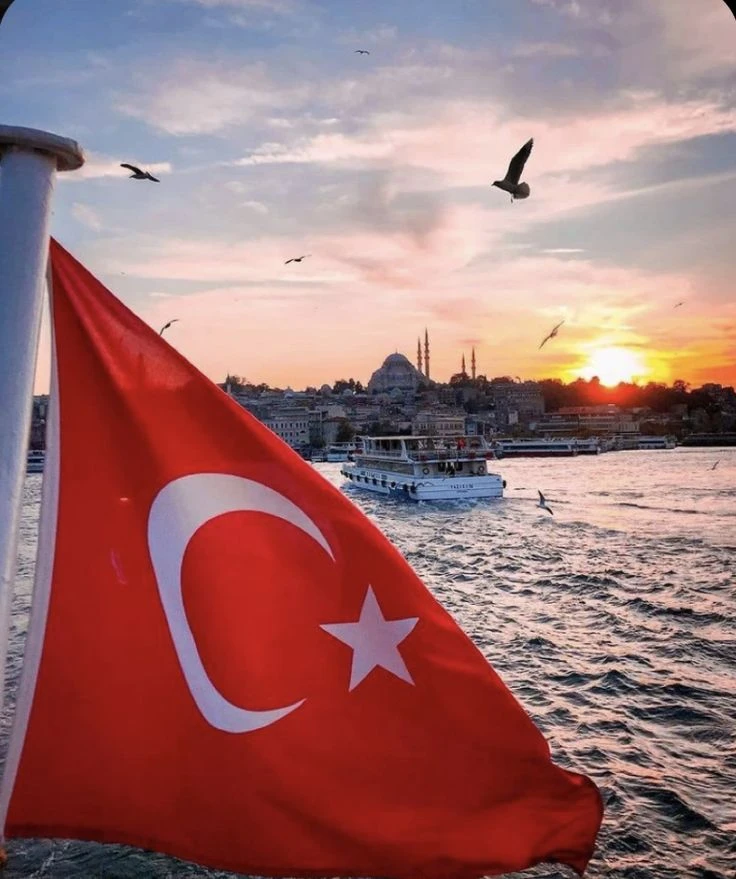
Is Turkey safe for tourism?
Yes, with the usual precautions of any trip. According to Spain's Ministry of Foreign Affairs, Turkey generally has low crime rates. Its two main recommendations are not to go near the land border, especially with Syria, Iraq and Iran, and to avoid demonstrations and gatherings. The destinations on our itineraries, such as Istanbul, Cappadocia, Ephesus and Pamukkale, are far from those borders. In the busiest tourist areas of Istanbul the Ministry advises caution and keeping an eye on your belongings, and there is a single phone number for any emergency: 112.
Turkey, a bridge between East and West, has always been a fascinating destination for travelers from all over the world. Its rich history, vibrant culture, impressive landscapes and legendary hospitality invite you to explore it. However, the question of safety in Turkey persists in the minds of many tourists. This article breaks down the current safety situation in Turkey, providing useful tips for traveling safely and fully enjoying what this country has to offer.

Safety context in Turkey
Current safety measures
In recent years, Turkey has implemented rigorous security measures throughout the country, especially in areas of high tourist interest and in its main cities such as Istanbul, Ankara and Antalya. The police presence is noticeable at tourist sites, airports and transport stations, contributing to a safe environment for visitors.
Higher and lower risk areas
While most of Turkey is safe for tourists, there are areas, especially near the borders with Syria and Iraq, where caution is recommended due to situations of regional instability. The Turkish government and foreign embassies regularly update their travel advisories, making them a reliable source of information about areas to avoid.
Spain's Ministry of Foreign Affairs is even clearer: it strongly advises against going near the land border, especially with Syria, Iraq and Iran. It also points out that Turkey lies in a seismically active zone, something worth keeping in mind as in any country with earthquakes, and that no country in the world is safe from terrorism, so the best approach is caution and staying informed.

Tips for travelers
As anywhere in the world and even in your home country, using common sense is essential when traveling through Turkey. It is recommended to use official taxis or recognized private transport services, to avoid walking alone at night in less busy areas and to always stay informed about the local environment.
What to avoid during your visit: Avoiding political demonstrations and large crowds can contribute significantly to your safety. Likewise, it is prudent not to discuss sensitive political topics in public.
These tips go hand in hand with the official recommendations for Spanish travellers, which are useful for any visitor:
- Traveller registration: the Ministry recommends registering your details in its Registro de Viajeros before you leave.
- Medical insurance: it is advisable to take out insurance that covers medical expenses before you travel.
- Belongings: in the busiest tourist areas of Istanbul, pay close attention to your belongings at all times.
- Photographs: photographing or filming military or protected areas is strictly forbidden; if in doubt, do not take the picture.
- Emergencies: 112 is the single number for all types of emergency.
Entry and document requirements depend on your nationality; always check them on your own government's official website before booking your flights.

The tourist experience in Turkey
Popular destinations and their safety
Destinations such as Istanbul, with its impressive Blue Mosque and the Spice Bazaar, Cappadocia, known for its unique rock formations and hot air balloon flights, and the paradisiacal beaches of Antalya and Bodrum, are safe for travelers, as long as the general safety recommendations are followed. Taking part in organized tours can be an excellent way to explore Turkey safely. These tours are usually well coordinated and offer the additional security of being in a group.
Traveler Testimonials
Many travelers who have visited Turkey recently share positive experiences, highlighting the hospitality of the locals and how safe they felt during their stay.
Recommendations from the Authorities
As in every country, staying aware of the recommendations and travel advisories issued by your government is essential before and during your trip to Turkey. These sources provide valuable information about any change in the safety situation.

Travelling around Turkey on an organised tour
If it is your first trip to Turkey and the logistics worry you, a tour with transfers and a guide solves many of the questions. The 10-day complete Turkey tour includes airport to hotel transfers in every destination, private vehicles throughout the trip and a small group of 16 people at most, covering Istanbul, Cappadocia, Ephesus and Pamukkale.
If you have less time, the 7-day Turkey trip with domestic flights brings together the same four destinations with all domestic flights, accommodation and airport transfers included; for groups of 6 or more travellers, the route can be arranged privately. Either way, someone is waiting for you in every city, which gives peace of mind if it is your first visit to the country.
Source of the official recommendations: Spain's Ministry of Foreign Affairs, travel recommendations for Turkey (updated 17 April 2026).
Frequently asked questions
Is it safe to travel to Istanbul?
Yes, with the usual precautions. Turkey generally has low crime rates; in Istanbul's busiest tourist areas it is advisable to be careful and watch your belongings at all times.
Which areas of Turkey should you avoid?
Spain's Ministry of Foreign Affairs strongly advises against going near the land border, especially with Syria, Iraq and Iran, and recommends avoiding demonstrations and gatherings.
What is the emergency number in Turkey?
112, a single number for all types of emergency.