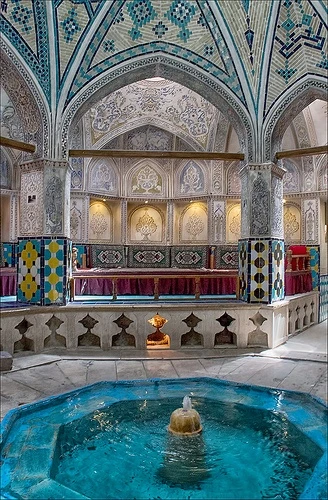
A hamam, or Turkish bath, is a step-by-step steam bath that descends from Roman baths and was developed by the Ottomans: you start in the changing hall, move to a warm room and finally to the hot room, where the scrub and massage take place. Istanbul still has historic hamams in use, such as Çemberlitaş, built in 1584 for Nurbanu Valide Sultan, and the Süleymaniye hamam, which is part of the Süleymaniye Mosque complex. In this guide we explain their history, what the experience is like step by step and how to fit a hamam into your visit to the city.
The concept of a Turkish bath, known as a “hamam”, is a fascinating part of Turkish culture and history. A Turkish bath is not just a place to get clean, but a space where history, tradition and wellness intertwine in a unique way. In this article, we will explore what makes Turkish baths so special, their history, how to enjoy an experience in a hamam and some of the best hamams in Istanbul, a leading destination for this authentic cultural experience.
The History of the Turkish Hamam
Turkish baths have their roots in Roman baths and developed further during the Ottoman Empire. These spaces not only served for cleansing, but were also social and cultural centers. Hamams were places where people could relax, socialize and enjoy various wellness treatments.
The TDV Encyclopedia of Islam sums it up this way: the heating system and building technique resemble those of Roman baths, but the architecture and layout of the Ottoman hamam are very different. Istanbul's market hamams were also almost always built as double hamams (çifte hamam), with one half for men and the other for women, and with entrances that almost never opened onto the same street.

The Experience in a Hamam
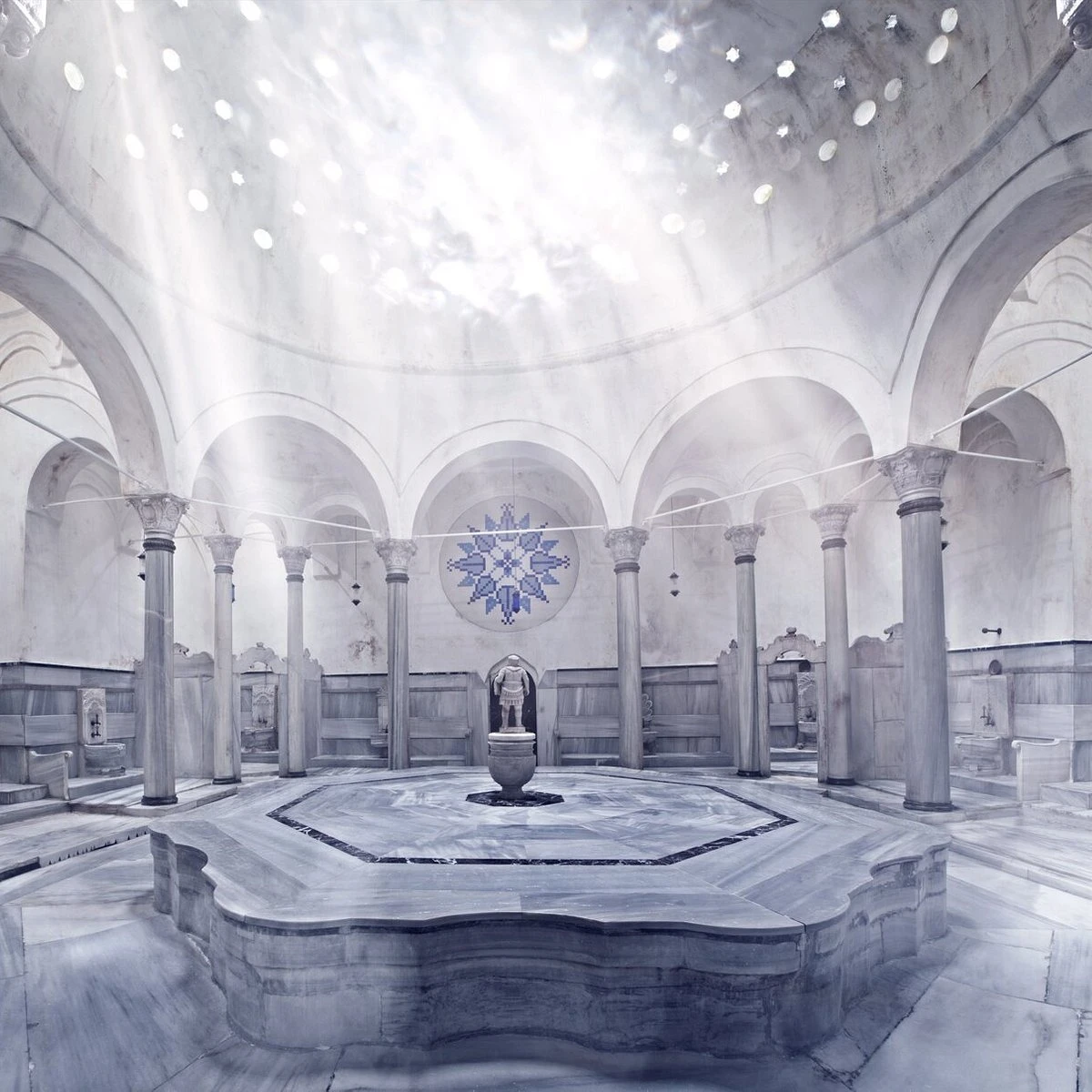
When you enter a hamam, you will immerse yourself in a world of relaxation and rejuvenation. The process usually begins in a warm room to acclimatize your body. Then, you move to a hotter room before receiving an exfoliation and a massage. Finally, you can relax in the cooling room. This sequence helps cleanse the body and the mind, offering a unique wellness experience.
Knowing the name of each space helps you follow the ritual:
- Camekân or soyunmalık: the changing hall, usually large and covered by a dome. This is where you change and where you come back to rest at the end.
- Ilıklık: the warm room, a transition space that lets your body get used to the heat.
- Sıcaklık: the hot room, the heart of the hamam. In the centre is the heated marble platform (göbek taşı), surrounded by the basins (kurna) that supply the water.
If it is your first time, allow plenty of time, drink water before and after, and ask at the hamam itself what each option includes, as every establishment organises its own services.

Famous Hamams in Istanbul
Istanbul is home to several historic and famous hamams. Some of them, such as the Çemberlitaş Hamam and the Süleymaniye Hamam, date back to the Ottoman Empire and offer an authentic and luxurious experience. These hamams have been meticulously restored to preserve their history and architecture, giving visitors a glimpse into the past with the comforts of the present.
Çemberlitaş Hamam
It stands on Divanyolu, in the historic peninsula. An inscription dates its construction to 1584, and it was commissioned by Nurbanu Valide Sultan, the sultan's mother, so that its income would support the Atik Valide Mosque and its complex in Üsküdar. It is a double hamam, with men's and women's sections.
Süleymaniye Hamam
Also known as the Dökmeciler Hamam, after the metal founders who settled around it, it is part of the Süleymaniye Mosque complex, built for Suleiman the Magnificent between 1550 and 1557. Historical sources attribute it to the architect Sinan. Unlike the double hamams, it has a single section; after decades as a workshop, its owner restored it so that it could be used as a hamam again.

How to fit a hamam into your visit to Istanbul
Our tours do not include hamam entry, but it is easy to book one for the end of a sightseeing day. The classic Istanbul tour covers the old city on foot, from Hagia Sophia and the Blue Mosque to the Grand Bazaar, in 6 to 7 hours: after so much walking, a hamam is a great way to end the day.
If the Süleymaniye hamam appeals to you, the Bosphorus cruise with the Süleymaniye Mosque includes a visit to that mosque, whose complex contains the hamam. And if you want to see the district that Çemberlitaş's income once supported, the Pearls of Istanbul tour takes you through Üsküdar and Kadıköy on the Asian shore.
Visiting a hamam in Turkey is more than a simple act of cleansing; it is immersing yourself in a relaxing and rejuvenating ritual that has been part of Turkish culture for centuries. If you are planning to visit Istanbul, do not miss the opportunity to experience this unique tradition. At Tour Privado por Estambul, we help you discover the best hamams and make sure your experience is unforgettable.

Sources: hamam architecture and double hamams, TDV İslâm Ansiklopedisi, “Hamam”; Çemberlitaş, TDV, “Çemberlitaş Hamamı”; Süleymaniye, TDV, “Dökmeciler Hamamı”.
Frequently asked questions
What is a Turkish hamam?
It is a traditional steam bath taken in stages: changing hall, warm room and hot room, where the scrub and massage take place. Its heating resembles that of Roman baths, but its architecture is Ottoman.
What are the parts of a hamam?
The camekân or soyunmalık, which is the changing hall; the ılıklık, the warm room; and the sıcaklık, the hot room with the central marble platform (göbek taşı) and the water basins (kurna).
Are there separate sections for men and women?
Traditionally, yes: Istanbul's market hamams were almost always built as double hamams, with one half for men and the other for women. Çemberlitaş is a double hamam; Süleymaniye has a single section.